Loading...
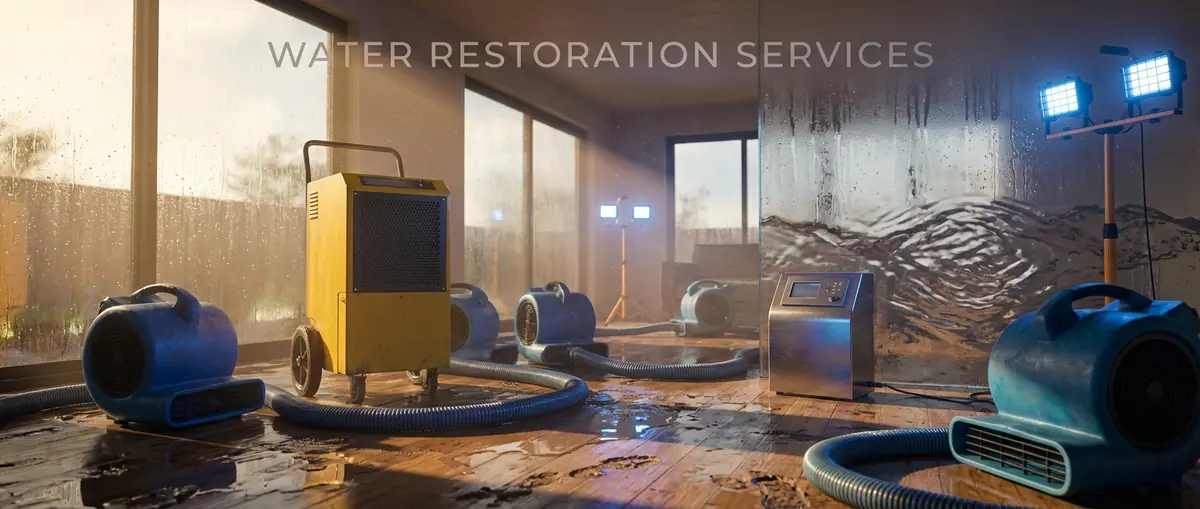
Flood Damage Restoration
24/7Emergency Response
All CategoriesFlood Types
All MajorInsurer Approved
Australia-WideCoverage
Emergency Flood Response
When flood water enters your property, every hour counts. Rapid response is the single most important factor in reducing total damage, preventing mould growth and preserving structural integrity. Our national network of IICRC-certified contractors provides 24/7 emergency flood response across Australia.
Immediate Water Extraction
Submersible pumps and truck-mounted extractors deployed within hours to remove standing flood water before it saturates structural materials.
Contamination Assessment
All flood water is tested and categorised (Category 1, 2 or 3) to determine the correct decontamination protocol and safety requirements.
Insurance Documentation
Comprehensive photo and video documentation captured from the first visit to support your insurance claim with evidence-grade records.
Critical window: Mould can begin growing within 24 to 48 hours of flooding. Structural drying that begins within 48 hours reduces secondary damage by up to 87%. Do not delay — start your claim online now.
Understanding Flood Water Categories
Not all flood water is the same. The IICRC S500:2025 standard classifies water damage into three categories based on contamination level. Understanding these categories is essential because each requires a different restoration approach, safety protocol and cost structure.
Category 1 — Clean Water
Water from a sanitary source such as a broken supply line, overflowing sink with no contaminants, or rainwater intrusion. Poses no substantial health risk. Standard extraction and drying protocols apply.
Examples: Burst mains pipe, leaking tap, overflowing bath
Category 2 — Grey Water
Contains significant contamination that could cause illness if ingested or exposed to. Includes chemical, biological or physical contaminants. Requires antimicrobial treatment and may require removal of porous materials.
Examples: Washing machine overflow, dishwasher leak, aquarium rupture
Category 3 — Black Water
Grossly contaminated water containing pathogenic agents, sewage, chemicals and other harmful substances. Most natural flood water is Category 3. Requires full personal protective equipment, removal of all affected porous materials, and professional antimicrobial decontamination.
Examples: River flooding, storm surge, sewage backup, ground-surface water
Important: Untreated Category 1 water can deteriorate to Category 2 within 48 hours and to Category 3 within 72 hours if left stagnant. Time is critical in every flood scenario.
Our Flood Restoration Process
Our IICRC-certified contractors follow a proven, systematic restoration process aligned with the IICRC S500:2025 standard and Australian building codes. Every step is documented for your insurance claim.
1
Emergency Water Extraction(0–24 hours)
Submersible pumps, truck-mounted extractors and portable extraction units remove standing water. Thermal imaging identifies hidden moisture behind walls and under floors.
2
Structural Drying(1–7 days)
Industrial dehumidifiers (LGR and desiccant), high-velocity air movers and targeted heat drying bring moisture content to pre-loss levels. Daily moisture readings track progress.
3
Decontamination & Antimicrobial Treatment(2–5 days)
All affected surfaces are cleaned, sanitised and treated with EPA-registered antimicrobial agents. Contaminated porous materials (carpet, underlay, gyprock) are safely removed and disposed of.
4
Restoration & Rebuild(1–4 weeks)
Full property restoration including replacement of removed materials, repainting, flooring installation, cabinetry and any structural repairs. Your property returned to pre-loss condition.
Flood Damage Insurance Claims
Navigating insurance after a flood can be overwhelming. Our platform streamlines the entire process — from initial documentation to final settlement — connecting you with IICRC-certified contractors who understand insurer requirements and produce claim-ready scoping documents.
Damage Documentation
Evidence-grade photo and video records captured at every stage. Moisture readings, thermal images and contamination test results compiled into a comprehensive report.
Scope of Works
Detailed line-item scoping that meets insurer audit standards. Materials, labour, equipment and disposal costs documented with industry-standard pricing.
Full Claims Documentation
We bill you directly and provide comprehensive documentation to support your reimbursement claim with any insurer. Payment plans available through Equipped Commercial Finance.
Fast Claim Processing
Start your claim online 24/7 through our platform. Your claim is matched to an approved, IICRC-certified contractor and scoping begins immediately.
Health & Safety After Flooding
Flood water poses serious health and safety risks that persist long after the water recedes. Professional assessment and remediation are essential to protect occupants.
Contamination Risks
- Sewage and faecal bacteria (E. coli, Salmonella)
- Chemical contaminants from agricultural or industrial runoff
- Pesticides, herbicides and fuel residues
- Dead animals and biological hazards
Mould Prevention
- Mould colonises within 24 to 48 hours in warm, humid conditions
- Airborne spores cause respiratory illness and allergic reactions
- Hidden mould behind walls and under floors requires thermal imaging to detect
- Professional antimicrobial treatment prevents re-growth
Electrical & Structural Safety
- Never enter a flooded property with power still connected
- All electrical systems must be inspected by a licensed electrician before reconnection
- Subfloor and foundation integrity must be assessed before re-occupancy
- Gas lines require professional inspection and clearance
Equipment & Technology
Our IICRC-certified contractors deploy commercial-grade equipment and proven technology at every stage of the flood restoration process.
Submersible Pumps
High-capacity submersible and trash pumps capable of extracting thousands of litres per hour, even with debris-laden Category 3 flood water.
Industrial Dehumidifiers
LGR (Low Grain Refrigerant) and desiccant dehumidifiers that extract up to 90 litres of moisture per day per unit, engineered for Australian humidity levels.
Moisture Mapping
FLIR thermal imaging cameras and calibrated penetrating moisture meters create detailed moisture maps to identify hidden water and verify complete drying.
Antimicrobial Treatments
EPA-registered, hospital-grade antimicrobial agents applied via fogging, spraying and direct application to eliminate bacteria, viruses and mould spores.
Air Movers & Scrubbers
High-velocity axial and centrifugal air movers combined with HEPA-filtered air scrubbers to accelerate drying and maintain air quality during restoration.
Injectidry Systems
Specialised cavity drying systems that force warm, dry air into wall cavities, cabinetry and subfloor spaces where conventional equipment cannot reach.
Areas We Service
Our national network of IICRC-certified flood restoration contractors covers every state and territory in Australia. From capital cities to regional centres and rural communities — wherever flooding strikes, we deploy qualified contractors fast.
NSWSydney, Newcastle, Wollongong, Central Coast, Lismore
VICMelbourne, Geelong, Ballarat, Bendigo, Shepparton
QLDBrisbane, Gold Coast, Sunshine Coast, Townsville, Cairns, Rockhampton
WAPerth, Fremantle, Mandurah, Bunbury, Geraldton
SAAdelaide, Mount Gambier, Port Augusta, Murray Bridge
TASHobart, Launceston, Devonport, Burnie
NTDarwin, Alice Springs, Katherine, Palmerston
ACTCanberra, Belconnen, Tuggeranong, Woden Valley
Don't see your location? We service all of Australia. Start your claim online and we will connect you with the nearest certified contractor.
Frequently Asked Questions
What are the different categories of flood water contamination?
Flood water is categorised into three levels. Category 1 (clean water) comes from a sanitary source such as a burst supply line. Category 2 (grey water) contains significant contamination from sources like washing machine overflows or dishwasher leaks. Category 3 (black water) is grossly contaminated and may contain sewage, chemicals or pathogens — this includes most natural flood water and always requires professional decontamination by IICRC-certified specialists.
Will my insurance cover flood damage restoration?
Most Australian home and contents policies now include flood cover following regulatory changes after the 2022 floods, though some policies still exclude riverine flooding. We bill you directly so work begins immediately, and provide comprehensive documentation to support your reimbursement claim with any insurer. Start your claim online and our system will guide you through the process.
How long does it take to dry out a property after flooding?
Drying time depends on the severity of flooding, building materials, humidity and ventilation. Typical residential properties take 3 to 5 days with industrial drying equipment. Larger or severely affected properties may take 7 to 14 days. IICRC-certified contractors monitor moisture levels daily with calibrated meters and thermal imaging to ensure complete structural drying before restoration begins.
How quickly can mould grow after a flood?
Mould can begin colonising within 24 to 48 hours of flooding in Australian conditions. Once established, it spreads rapidly and can cause structural damage plus serious health risks including respiratory illness. This is why rapid water extraction and professional drying within the first 48 hours is critical — it dramatically reduces mould risk and secondary damage.
How much does flood damage restoration cost in Australia?
Costs vary significantly based on flood severity, contamination category and property size. Minor Category 1 flooding in a single room may cost $2,000 to $5,000. A full house affected by Category 3 black water can range from $15,000 to $50,000 or more. Most costs are covered by insurance. We provide detailed scoping and cost documentation to support your claim.
Is it safe to enter my home after a flood?
Do not re-enter a flooded property until authorities confirm it is safe. Risks include structural collapse, electrical hazards, gas leaks, contaminated water and hidden debris. Even after water recedes, surfaces may be contaminated with sewage, chemicals or biological hazards. IICRC-certified contractors perform safety assessments and contamination testing before any re-entry or restoration work begins.
When can I return home after flood damage restoration?
You can return once the property has been fully dried (verified by moisture readings at or below normal levels), decontaminated, structurally assessed, and cleared by your restoration contractor. For minor flooding this may be within a week. For severe Category 3 flooding with structural damage, it may take several weeks. Your contractor will provide a clear timeline and regular progress updates.
How is structural damage assessed after a flood?
Structural assessment involves visual inspection of foundations, framing, load-bearing walls and subfloor areas, combined with moisture mapping using thermal imaging cameras and penetrating moisture meters. Concrete cores may be tested for moisture content. Engineers may be engaged for severe cases. This assessment determines whether materials can be dried and saved or must be removed and replaced as part of the restoration scope.
What should I do immediately after a flood?
First, ensure your family's safety and evacuate if required. Do not enter flood water — it may be electrically charged or contaminated. Once safe, document everything with photos and video for insurance. Turn off electricity and gas at the mains if accessible. Contact your insurer and start a claim online through our platform. Avoid removing water yourself as improper extraction can worsen structural damage.
Do you service regional and rural areas after floods?
Yes. Our network of IICRC-certified contractors covers all of Australia — from major capitals like Sydney, Melbourne and Brisbane to regional centres and rural communities. Flood events often affect regional areas hardest, and our national distribution model ensures rapid contractor deployment wherever you are.
You May Also Need
Related services and resources for your situation
Water Damage RestorationProfessional water damage restoration for burst pipes, leaks and non-flood water events. IICRC S500:2025 certified.Storm Damage RestorationEmergency storm damage response including roof repairs, fallen tree removal and water ingress restoration.Mould RemediationProfessional mould inspection, testing, containment and removal. Prevent secondary damage after flooding.Sewage CleanupSpecialist Category 3 sewage cleanup and decontamination. Health-certified technicians, all insurers accepted.Flood Damage Cost GuideUnderstand flood damage restoration costs across Australia. Pricing by category, property size and region.
Need Help? Get Started Now
Australia-wide 24/7 emergency flood response. IICRC-certified contractors for water extraction, structural drying, decontamination and full property restoration — all insurance companies accepted.
Get Emergency Help